

11 Health Benefits of Avocados
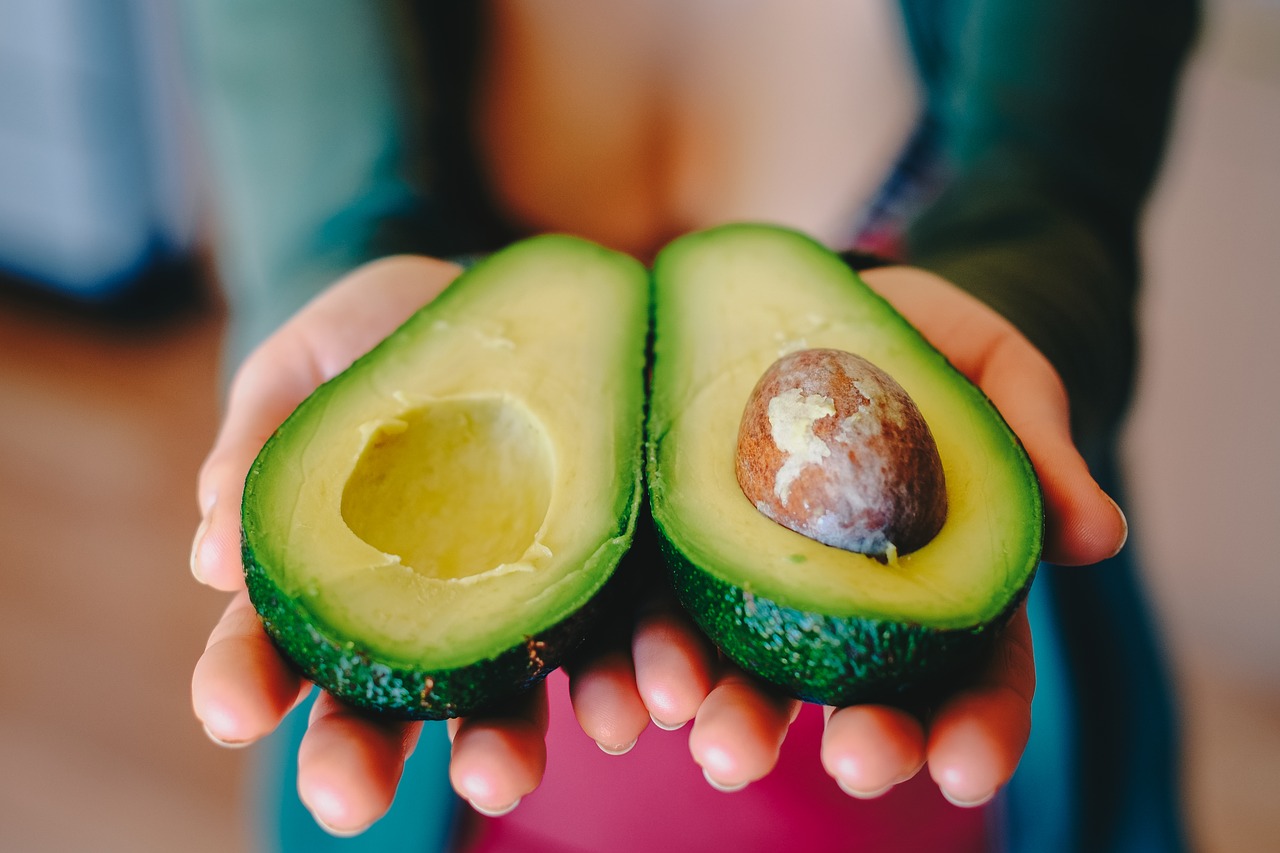
Avocados have an amazing range of health benefits, including improving digestion, decreasing the risk of depression, and protecting against cancer. Also known as an alligator pear or butter fruit, avocados are actually a type of berry and grow best in warm climates.
Avocados provide a substantial amount of monounsaturated fatty acids and are rich in many vitamins and minerals. Incorporating them into a healthy diet can produce a number of health benefits. Below we’ll take an in-depth look at the nutritional makeup of avocados and 11 ways they benefit our health..
Health Benefits of Avocados
- Rich in Nutrients: Avocados are a source of vitamins C, E, K, and B6, as well as riboflavin, niacin, folate, pantothenic acid, magnesium, and potassium. As well as providing lutein, beta carotene, and omega-3 fatty acids. Avocados contain high levels of healthy, beneficial fats, which can help a person feel fuller between meals. Eating healthy fats slows the breakdown of carbohydrates, which helps keep blood sugar levels stable throughout the day. Roughly half an avocado, or 100 grams (g), contains
- 160 calories
- 14.7 g of fat
- 8.5 g of carbohydrates
- 6.7 g of fiber
- less than 1 g of sugar
Fat is essential for every single cell in the body. Eating healthy fats helps support skin health, enhances the absorption of fat-soluble vitamins, minerals, and other nutrients, and helps significantly support the immune system.
- Heart Healthy: In every 100 g of avocado there are 76 mg of the natural plant sterol called beta sitosterol. Consuming beta sitosterol and other plant sterols on a regular basis can help maintain healthy cholesterol levels, which are important for heart health.
- Great for the Eyes: Avocados contain lutein and zeaxanthin two phytochemicals present in eye tissue. They provide antioxidant protection to help minimize damage, including from UV light. The monounsaturated fatty acids in avocados also support the absorption of other beneficial fat-soluble antioxidants, such as beta carotene. As a result, adding avocados to the diet may help reduce the risk of developing age- related macular degeneration.
- May Help Prevent Osteoperosis: Half an avocado provides approximately 18% of the daily value of vitamin K.This nutrient is often overlooked but is essential for bone health. Taking in enough vitamin K can support bone health by increasing calcium absorption and reducing the urinary excretion of calcium.
- Components may Help Prevent Cancer: Studies have not yet assessed a direct link between avocado consumption and a reduction in cancer risk. However, avocados do contain compounds that may help prevent the onset of some cancers. Research has associated an optimal intake of folate with a reduced risk of developing colon, stomach, pancreatic, and cervical cancers. However, the mechanism behind this association remains unclear. Half of an avocado contains roughly 59 mcg of folate, 15% of the daily value. Avocados also contain high levels of phytochemicals and carotenoids, which may have anticancer properties. Studies have shown that carotenoids, specifically, may protect against cancer progression. A 2013 review highlighted the potential benefits of avocado consumption in relation to breast, oral, and throat cancers. However, these associations are typically the result of test tube studies, not controlled human trials. Further research is necessary to confirm these associations.
- Supports Fetal Growth and Health En Utero: Folate is important for a healthy pregnancy. An adequate intake reduces the risk of miscarriage and neural tube abnormalities as well as other birth defect and complications during pregnancy. It is recommended to consume at least 600 micrograms (mcg) of folate per day when pregnant and just one avocado may contain as much as 160 mcg! Avocados also contain fatty acids that are integral to a healthy diet and fetal development.
- Reducing Depression Risk: Avocados are a good source of folate which plays an important role in overall dietary health. Studies have also found links between low folate levels and depression. Folate helps prevent the buildup of homocysteine, a substance that can significantly impair circulation and delivery of nutrients to the brain. Reviews of past research has linked excess homocysteine with cognitive dysfunction, depression, and the production of serptonin, dopamine, and norepinephrine, which regulate mood, sleep, and appetite.
- Improves Digestion: Avocados are high in fiber, containing approximately 6-7g per half fruit. Eating foods with natural fiber can help prevent constipation, maintain digestive tract health, and lower the risk of colon cancer.
- Natural Detoxification: Adequate fiber promotes regular bowel movements, which are crucial for the excretion of toxins through the bile and stool. Studies have shown that dietary fiber also promotes good gut health and microbial diversity. This helps the body maintain a healthy bacterial balance. This can reduce inflammation and aggravation of the digestive tract.
- Antimicrobial Action: Avocados and avocado oil contain substances that have antimicrobial properties. Research shows that avocado seed extracts can help defend the body against both Streptococcus agalactiae and Staphylococcus aureus infections, for example.
- Protection from Chronic Disease: The monounsaturated fatty acids in avocados may be beneficial in preventing chronic conditions, such as cardiovascular disease. Meanwhile, research suggests that an optimal intake of fiber may reduce the risk of stroke, hypertension, diabetes, obesity, and certain gastrointestinal diseases, and avocados are rich in fiber. The right fiber intake can also lower blood pressure and cholesterol levels, improve insulin sensitivity, and enhance weight loss for people with obesity.